

Today was without a doubt, a very exciting day filled with enlightening
conversation in room 104! We reviewed for our Renaissance unit by reading
through our exceptional Core Knowledge© resource book, Rats, Bulls, and
Flying Machines: A History of the Renaissance and Reformation; we found
ourselves delving into conversations about a few of Great Hearts’ foundational
pillars. Read on to join the conversation…
This afternoon, we read about how Cosimo de’
Medici often hosted many philosophers, sculptors, artists, and merchants in his
home during the Renaissance. They shared meals and spoke of their admiration of
the Greek philosopher, Plato. They loved him so much that they formed a club
and called the Platonic Academy. They believed that the study of beauty would
help a person understand what is true. We discussed this concept and how beauty
and truth are related. Please ask your child about their thoughts on these philosophies and how our pillars of verum (truth) and pulchrum (beauty) relate to
one another. We heard some fantastic ideas; please share yours with us, too! :)
Another conversation we had was certainly an intriguing and quite entertaining one about the idea of being an “ideal courtier”.
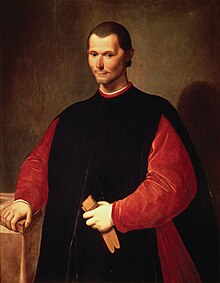
Machiavelli and Castiglione are famous for their works: The Prince and The Courtier. Machiavelli wrote about the duties and strategies of
a skilled leader (or what he deemed to
be acts of a skillful leader). We discussed whether a leader is better off
being feared or loved by his people. Here is a quote from Machiavelli’s classic
work:
“Returning, then, to the debate on
being loved and feared, I conclude that since men love as they please and fear
as the prince pleases, a wise prince will evidently rely on what is in his own
power and not on what is in the power of another. As I have said, he need only take pains to
avoid hatred.” - Machiavelli
Castiglione wrote about the
expectations of a true gentleman; the students found some of them to be very specific and quite peculiar.
We also read Giovanni della Casa’s written work to his nephew, about proper behavior.
See below for some examples of this invaluable advice:
“When you have blown your nose, you
should not open your handkerchief and inspect it, as if pearls or rubies had
dropped out of your skull.” – Giovanni della Casa
The students really
enjoyed reading these primary sources as they had many opinions and comments to
share. Again, please continue these conversations at home! :)
